
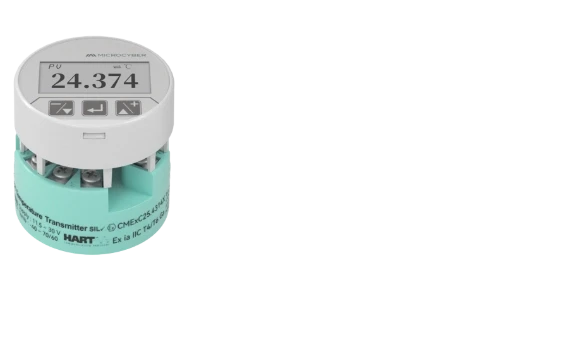
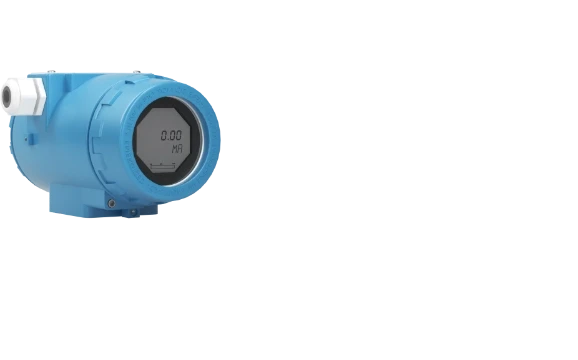


NCS-TT306H Series HART Temperature Transmitter

The NCS-TT306H is a high-accuracy, low-drift, high-reliability HART 7 temperature transmitter built for process control. It accepts a wide range of RTD, thermocouple, resistance, and millivolt sensors, outputs 4–20 mA with HART superimposed, and adds three things that matter on critical loops: an optional SIL safety mode, dual-channel hot-backup redundancy, and sensor-drift and corrosion diagnostics. […]
Clocking a HART Modem: Crystal, CMOS Clock, or Internal Oscillator

Every HART FSK modem needs a stable time base to generate the 1.2 kHz and 2.2 kHz tones at the right frequencies. The HART physical layer is unforgiving about this — drift the tone frequencies too far and the carrier-detect and demodulation margins shrink. How that time base is supplied is a real design decision, […]
HT5700 Low Power HART Modem

The HT5700 is a single-chip HART FSK half-duplex modem that meets the HART physical layer specification. It integrates the filtering, signal detection, modulation, demodulation, and signal generation a HART device needs, so the design around it takes very few external components. The chip also carries a 0.5%-precision internal oscillator, which removes the external crystal in […]
How to Select a HART Temperature Transmitter: A 10-Point Guide

A temperature transmitter is never selected on its own — it is selected against five things: the sensor it will read, the process range it has to cover, the loop it sits on, the environment it lives in, and the host system that reads it. Get those five right and the device works for twenty […]
NCS-TT105F FF Temperature Transmitter Downloads
NCS-TT306HH1 User Manual & Downloads | HART/FF Temperature Transmitter
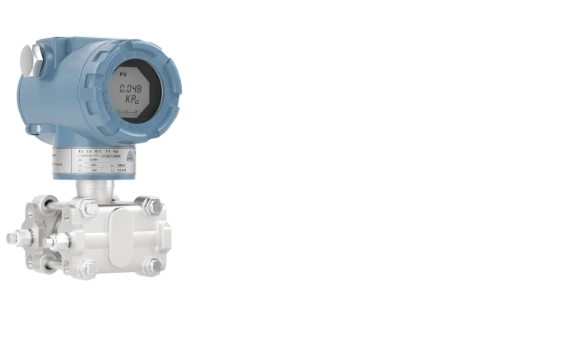
NCS-PT105IISMH User Manual & Downloads | HART Pressure Transmitter
Clocking the HT1200M HART Modem: Three Approaches for OEM Designers

The HT1200M is a pin-compatible drop-in for the SYM20C15 and A5191HRT HART modem ASICs, and like its predecessors it needs a 460.8 kHz time base to operate. In a real instrument design, that clock can come from three different sources, each with different trade-offs in BOM cost, board area, and clock-tree flexibility. This article walks […]
When to Use a Multi-Channel Temperature Transmitter: Tanks, Towers, and Rotating Equipment

Of all process variables, temperature has the most measurement points in a typical plant. And those points often cluster — half a dozen RTDs on a single reaction column, eight thermocouples down the side of a storage tank, multiple bearing and winding sensors on a single motor. Wiring each sensor back to the control room […]
Pressure Transmitter Accuracy Explained: Five Performance Metrics and the 3σ Rule

When a pressure transmitter datasheet quotes “±0.075% accuracy”, that single number hides several different error sources — and a statistical assumption that determines how many units off the production line will actually meet that figure. This article breaks down what goes into a pressure transmitter’s accuracy specification and how to read it correctly. The 3σ […]
How to Add New Monitoring Points Without New Cabling | WirelessHART Retrofit Guide

In many operating plants, the difficult part of adding a new measurement point is not the transmitter itself. The problem is usually the cable. A new pressure or temperature transmitter may require: new cable trays shutdown approval hazardous-area wiring conduit installation PLC cabinet modification additional I/O cards In older plants, especially tank farms and utility […]
WirelessHART Protocol Explained: IEC 62591 Stack & Security | Microcyber

WirelessHART is the wireless extension of the HART protocol, standardized as IEC 62591. It was introduced by the HART Communication Foundation (now part of FieldComm Group) in September 2007 and ratified by the IEC, with the current edition published as IEC 62591:2016. The standard targets process industries that need reliable wireless field communication — refineries, […]