




What Is HART Communication?

A 4-20mA loop only carries one number. HART was built to change that without touching the wiring. Highway Addressable Remote Transducer — HART — puts a digital signal on top of the same two wires already carrying the analog process variable. The loop keeps working exactly as it did before; the digital layer rides alongside […]
How Temperature Transmitters Work: Wiring & Calibration
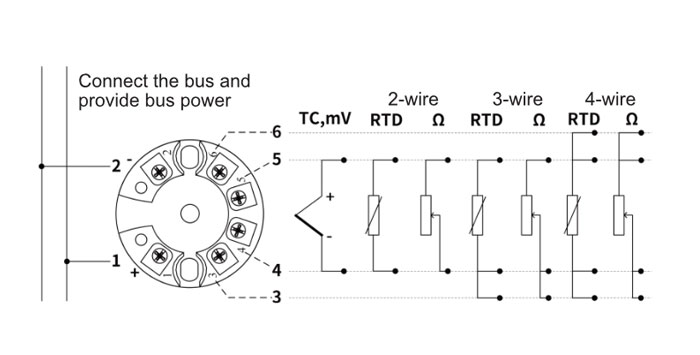
A temperature transmitter sits between a sensor and a controller. It takes the raw signal from an RTD or thermocouple and turns it into something a PLC or DCS can actually use, usually a 4-20 mA current, sometimes a digital signal riding on top of that current. Without it, the controller would need to interpret […]
HART Registered Temperature Transmitters: Why FCG Registration Matters

Many temperature transmitters are advertised as “HART compatible,” but compatibility alone does not guarantee that a device has been tested against the complete HART protocol specification. For system integrators and plant engineers, there is an important distinction between supporting HART communication and being officially registered by FieldComm Group. What HART Registration Actually Tests The HART […]
Corrosion-Resistant Temperature Transmitter Housing: Why Alloy Choice Matters
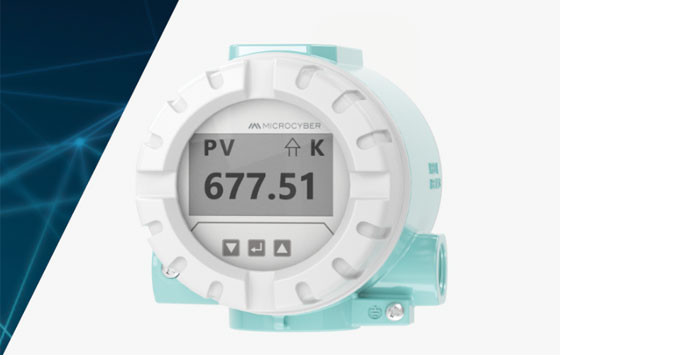
Field instruments rarely fail because of faulty sensors or degraded electronics. In chemical plants, coastal facilities, and offshore platforms, the most common failure point is the housing itself. A pit in the enclosure becomes a moisture ingress path. Moisture reaches terminals. Terminals corrode. Signal drifts, or the device goes offline entirely. Manufacturers typically address this […]
What Is a Temperature Transmitter? Complete Guide to Working Principles, Types & Applications
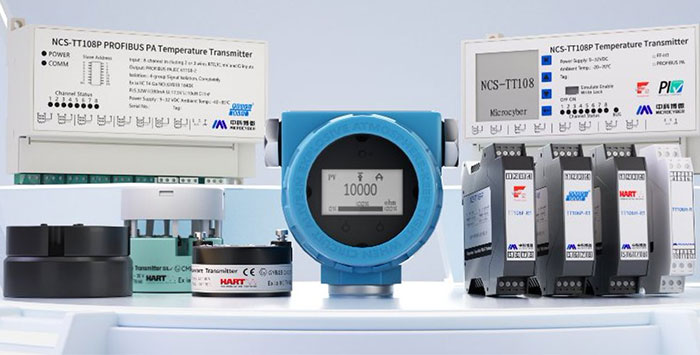
What Is a Temperature Transmitter? Temperature is one of the most frequently measured process variables in industrial automation. Whether monitoring a chemical reactor, controlling a food processing line, protecting a power plant boiler, or maintaining pharmaceutical production conditions, accurate temperature measurement is essential for safety, efficiency, and product quality. A temperature transmitter is an electronic […]
How a Differential Pressure Transmitter Measures Liquid Level
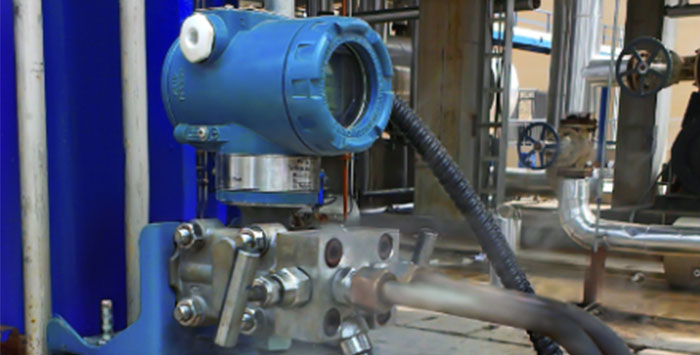
A differential pressure (DP) transmitter measures level by detecting the hydrostatic head pressure created by the liquid column above a reference point. It does not measure level directly. It measures a pressure difference, and the control system converts that reading into a level value using the known specific gravity of the process fluid. This method […]
WirelessHART for Industry: How Many Devices, How Often, How Long on Battery
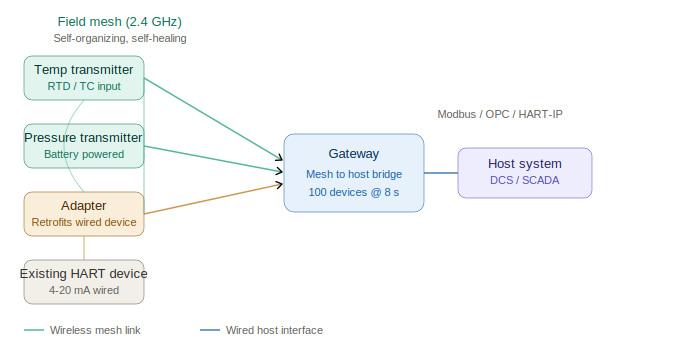
A wired transmitter at a remote point can cost more in conduit, cable tray, and labor than the instrument itself. That is the economics behind industrial wireless. WirelessHART does not replace every wired loop, but it gets a measurement off a point that is hard to reach, hazardous, or temporary, without pulling new cable to […]
Dual-Channel DIN Rail Temperature Transmitter: Sensor Inputs, Accuracy, and Selection Logic
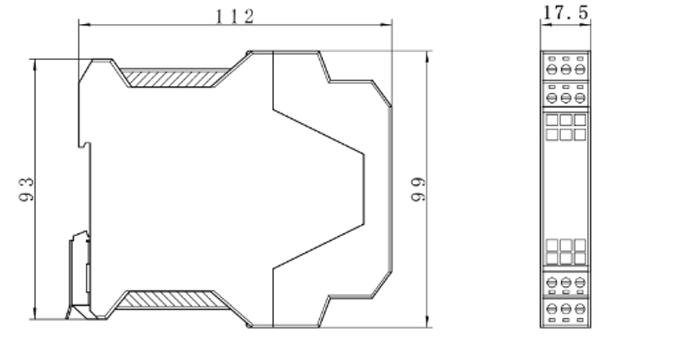
A rail-mounted temperature transmitter can reduce cabinet space, support multiple sensor inputs, and simplify maintenance compared with head-mounted designs. But not all rail-mounted transmitters are built the same. This article explains how dual-channel rail-mounted temperature transmitters work, what accuracy specifications actually mean, and when a device such as the NCS-TT106H-R makes sense in a real […]
Microcyber FBC0409 FF/PA Fieldbus Gateway User Manual
How to Vet a Temperature Transmitter Supplier (Without Getting Burned on Spec or Compliance)
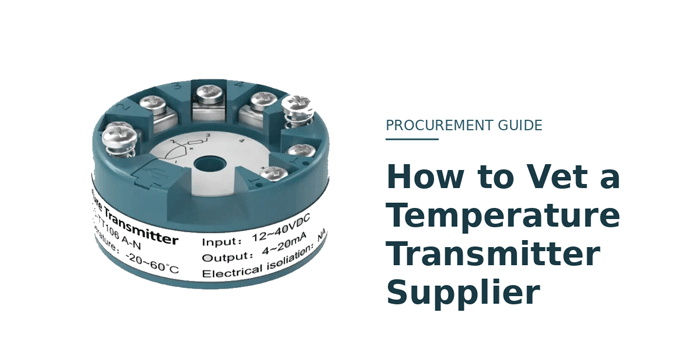
Buying a temperature transmitter looks simple until the units arrive. The datasheet said “±0.1%,” the sensor list looked complete, the price was good. Then commissioning finds the protection rating doesn’t suit the location, the isolated version costs extra and nobody quoted it, and the cold-junction error eats half your loop budget. None of that is […]
Which Redundancy Strategy Makes Sense for Critical Temperature Measurements?
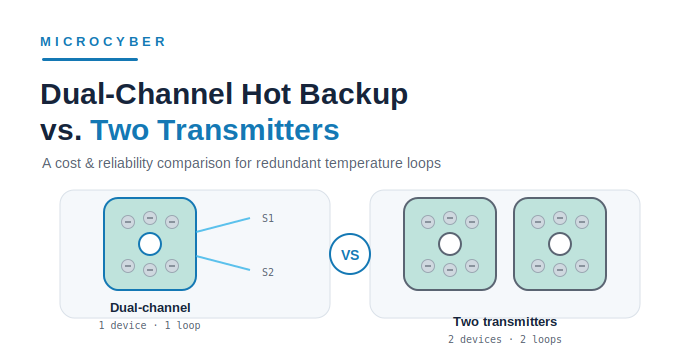
On a critical temperature point, a single transmitter and a single sensor are a single point of failure. When the measurement has to stay live — a reactor inlet, a compressor bearing, a reboiler — the question is how to build in redundancy. Two options come up in most specifications: a dual-channel transmitter running hot […]
Do You Need a SIL Temperature Transmitter? A Practical Guide for IEC 61508 Applications
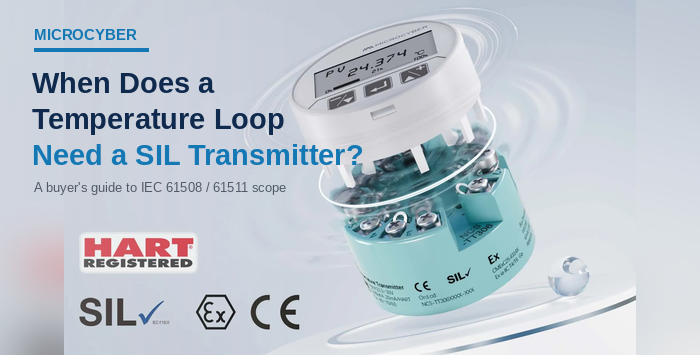
Does this temperature point require a transmitter for a SIL safety function, or is a standard temperature transmitter sufficient? Two things people run together The word “SIL” gets thrown around loosely, and the looseness is expensive. There are really two separate ideas underneath it. The first is that a safety function has an SIL target. […]