


Overview of WirelessHART
The WirelessHART communication standard was officially recognized by the International Electrotechnical Commission (IEC) in September 2008 and published as IEC 62591, becoming the first global international standard for industrial wireless communication in the process automation industry.
WirelessHART was designed specifically to meet the stringent requirements of industrial environments, including:
-
High reliability and deterministic communication
-
Strong resistance to electromagnetic interference
-
Secure data transmission
-
Flexible networking and multi-vendor interoperability
Today, WirelessHART is widely adopted in industries such as petrochemical, power generation, metallurgy, and manufacturing, enabling secure and scalable wireless field communication.
WirelessHART Network Device Types
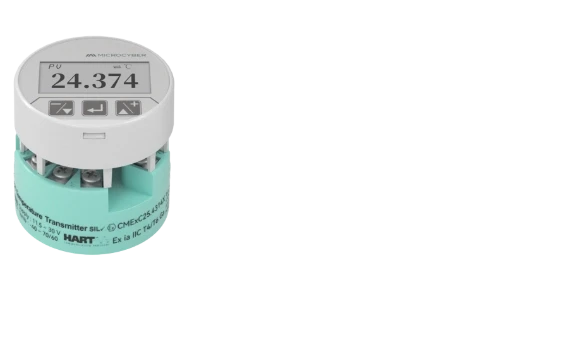
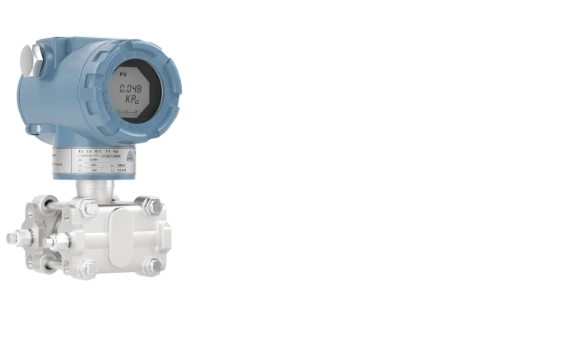
A WirelessHART network supports devices from multiple manufacturers and can be classified into five main device types:
1. Field Devices
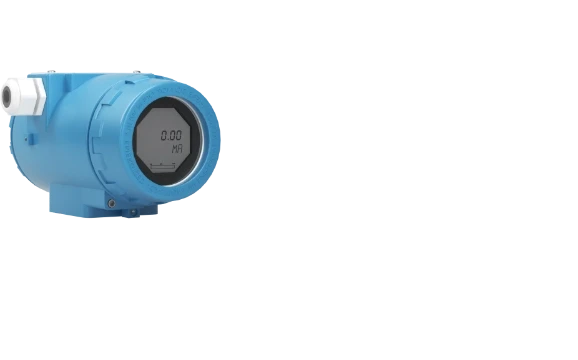
Field devices perform on-site sensing or actuation, such as temperature, pressure, or flow measurement instruments.
2. Wireless Adapters
Adapters connect to existing wired HART field devices, enabling wireless communication without replacing installed instruments.
3. Gateways
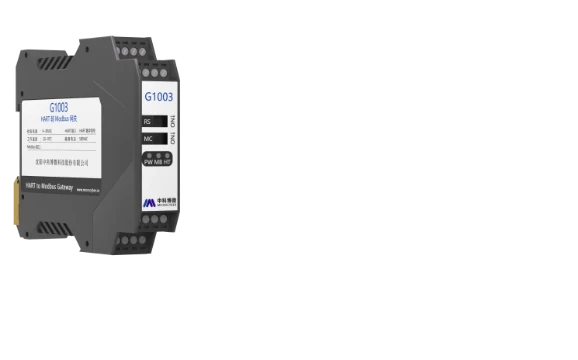
Gateways provide communication between WirelessHART field networks and host systems such as DCS, PLCs, or asset management software.
4. Network Manager
The network manager is responsible for:
-
Network configuration
-
Scheduling communication
-
Routing table management
-
Monitoring and reporting network health
5. Handheld Devices
Handheld tools are used for configuration, maintenance, diagnostics, and commissioning of WirelessHART devices in the field.
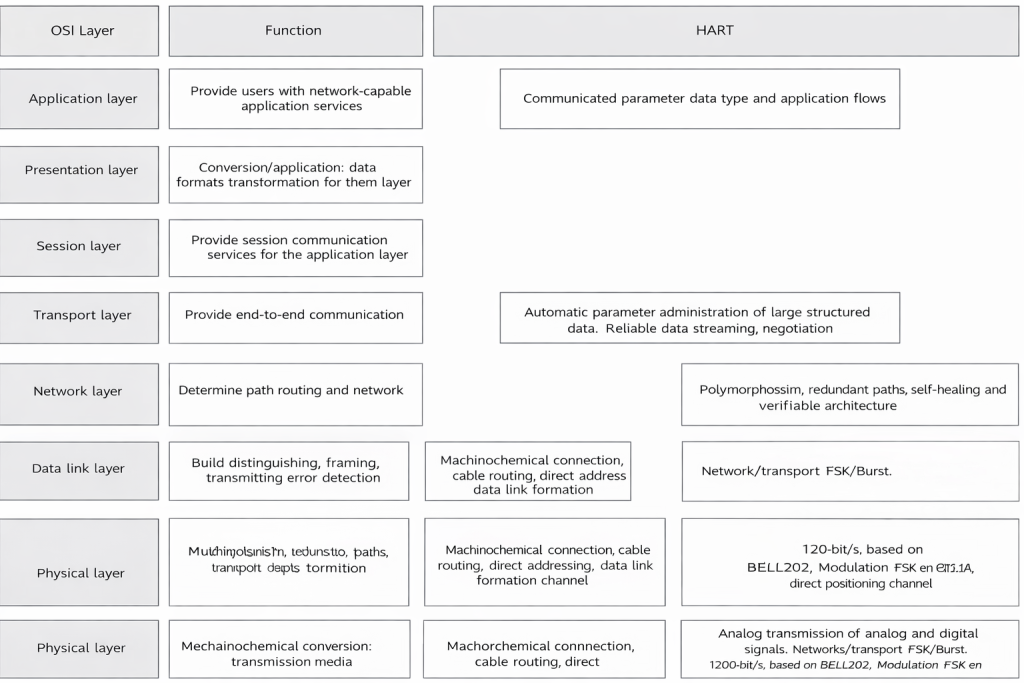
WirelessHART Protocol Architecture
The WirelessHART protocol stack follows the OSI 7-layer reference model, with optimizations tailored for industrial wireless communication.
Protocol Layers Overview
-
Physical Layer
-
Data Link Layer
-
Network Layer
-
Transport Layer
-
Application Layer
This layered design ensures interoperability, scalability, and long-term system stability.
Physical Layer
The WirelessHART physical layer is based on IEEE 802.15.4-2006 operating in the 2.4 GHz ISM band using DSSS (Direct Sequence Spread Spectrum).
Key characteristics include:
-
Frequency range: 2400 – 2483.5 MHz
-
Data rate: up to 250 kbps
-
Channel count: 16 channels (11–26)
-
Channel spacing: 5 MHz
Channel hopping is used to improve reliability and reduce interference from other wireless systems.
Data Link Layer
One of the most distinctive features of WirelessHART is its time-synchronized data link layer.
-
Fixed 10 ms time slots
-
TDMA (Time Division Multiple Access) mechanism
-
Deterministic scheduling and collision avoidance
This design enables predictable latency and high reliability, even in dense industrial environments.
Network Layer and Transport Layer
The network and transport layers work together to provide secure, reliable, and redundant communication.
WirelessHART uses a self-healing mesh network, where:
-
Each device can act as a router
-
Data paths are dynamically optimized
-
Communication continues even if a node fails
This architecture significantly improves network robustness and availability.
Application Layer
The application layer defines:
-
Device commands and responses
-
Data formats and status reporting
-
Diagnostic and configuration functions
Communication between devices and gateways is command-response based. The application layer parses incoming messages, executes commands, and generates appropriate responses, ensuring standardized interaction across devices from different vendors.

WirelessHART Security Architecture
Security is a core design principle of WirelessHART. Both the MAC layer and network layer implement comprehensive security mechanisms.
MAC Layer Security
-
Cyclic Redundancy Check (CRC)
-
Message Integrity Code (MIC)
-
AES-128 encryption using CCM mode
-
Hop-by-hop data integrity protection
Network Layer Security and Key Management
WirelessHART defines four types of security keys:
-
Public Key
Used to generate MICs when no network key is available. -
Network Key
Shared by all devices for MAC-layer authentication and integrity. -
Network Access Key
Unique to each device and used during network joining for authentication. -
Session Keys
Generated by the network manager to provide end-to-end encryption and integrity.
Session keys include:-
Unicast session keys
-
Broadcast session keys
-
This layered security model ensures both device authentication and data confidentiality.
Microcyber WirelessHART Product Portfolio
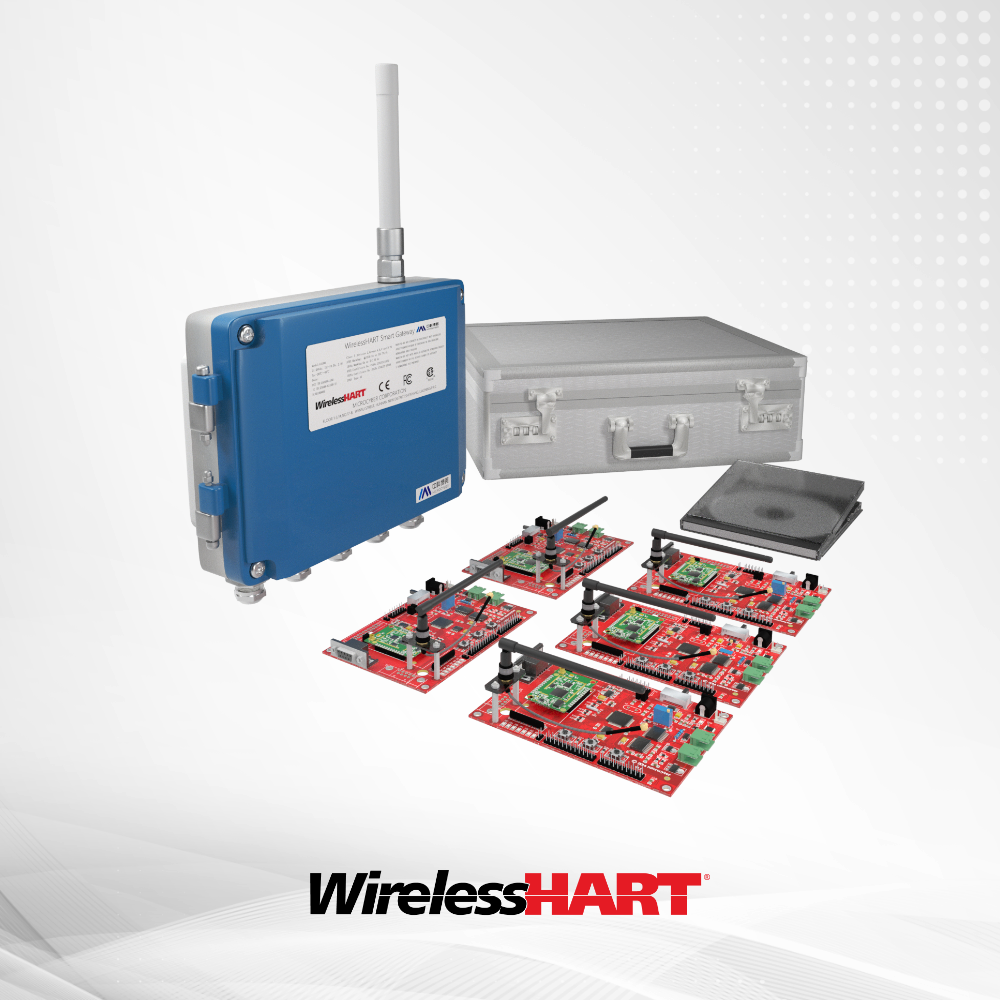
Microcyber’s smart wireless products are built on WirelessHART technology and optimized for process automation applications.
Key features include:
-
Self-organizing and self-healing mesh networks
-
Low power consumption
-
Strong encryption and industrial-grade security
-
Fast deployment and flexible installation
Microcyber offers a complete WirelessHART solution, including:
-
Wireless communication modules
-
Wireless gateways
-
Wireless adapters
-
Wireless temperature transmitters
These products enable efficient data acquisition, process monitoring, equipment diagnostics, and maintenance in complex industrial environments.
Microcyber WirelessHART solutions have been widely deployed in petrochemical, power, metallurgy, and manufacturing industries, serving both domestic and international customers.
Industrial Internet Access Point
Microcyber is dedicated to the R&D, manufacturing, sales, and system integration of industrial IoT products.
Key achievements include:
-
First Chinese company to pass international fieldbus protocol stack certification
-
Third globally to obtain international fieldbus protocol stack certification
-
First WirelessHART product in China to pass international certification
-
Core participant in multiple national industrial IoT and automation projects
Over the years, Microcyber has undertaken major national science and technology initiatives, including the 863 Program, intelligent manufacturing equipment projects, and industrial automation research programs.
With strong technical expertise, extensive project experience, and a professional R&D team, Microcyber continues to deliver reliable and future-ready industrial communication solutions.
 English
  Русский
  Español de México