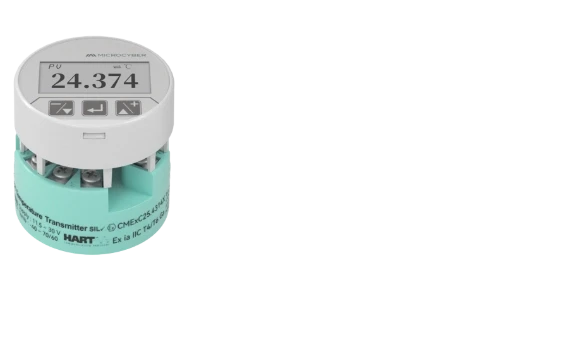
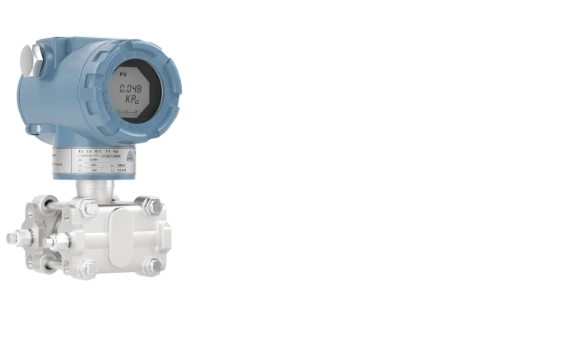
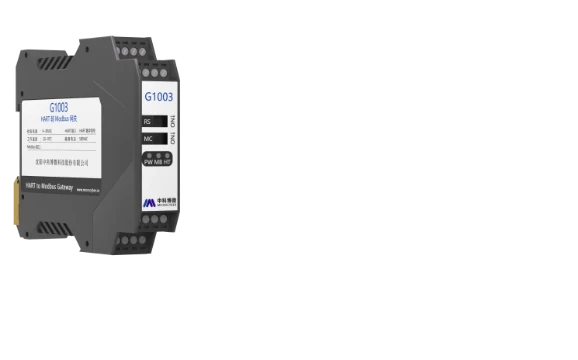
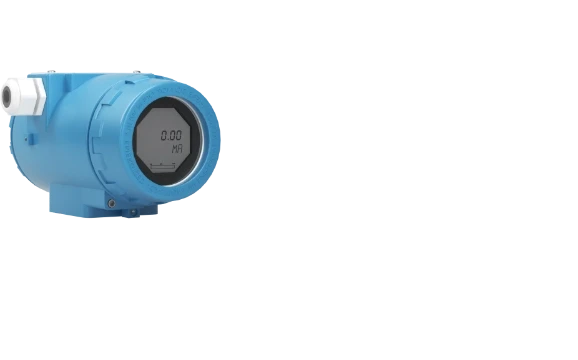
A inovação está no centro de Microcyber Corporation. Estamos refinando continuamente nossa tecnologia para atender às demandas em evolução da automação industrial.
Esta seção serve como sua fonte oficial de notícias relacionadas ao nosso portfólio de produtos e serviços técnicos. Aqui você encontrará:
Lançamentos de Novos Produtos: Seja o primeiro a saber sobre nossos mais recentes transmissores, gateways e módulos embarcados.
Atualizações e Melhorias: Notificações importantes sobre atualizações de firmware e melhorias na pilha de protocolos.
Histórias de Sucesso: Aplicações no mundo real de produtos Microcyber resolvendo desafios complexos da indústria.
Continue verificando para ver como estamos aprimorando sua experiência de conectividade.
Foundation Fieldbus (FF) supports two communication technologies: H1, a low-speed bus operating at 31.25 kbit/s for field instruments, and High-Speed Ethernet (HSE), operating at 100 Mbit/s for backbone networks. Physical layer testing for Foundation Fieldbus field devices primarily focuses on the H1 bus. FF H1 uses Manchester encoding, which carries clock synchronization information along with […]
WirelessHART is a wireless communication protocol designed for process automation applications. It adds wireless communication capabilities to HART technology while maintaining compatibility with HART devices, commands and tools. WirelessHART uses a mesh network architecture in which network devices can route messages for other devices. For engineers working with process instrumentation, WirelessHART provides a way to […]
PROFIBUS DP devices are used in industrial automation for communication between PROFIBUS masters and distributed field devices. When a device manufacturer develops an intelligent PROFIBUS DP slave, the communication controller is an important part of the device architecture. A PROFIBUS DP ASIC can provide the hardware and communication functions required for implementing a PROFIBUS DP […]
As industrial automation systems become more connected, device integration has become an important part of engineering and commissioning. Field devices need to exchange information with host systems, engineering tools, and control platforms, and different integration technologies are used for different protocols and system environments. Four technologies frequently encountered in industrial automation are EDD, DTM, GSD, […]
What Is a HART Temperature Transmitter and How Does It Work? Most process plants still run on 4-20mA loops, and replacing that wiring wholesale isn’t realistic. A HART temperature transmitter works with that existing wiring instead of against it: it keeps the 4-20mA analog signal for the control system and adds a digital layer on […]
What Is an RTD Temperature Transmitter and How Does It Work? Temperature is one of the parameters that most directly affects safety and yield in oil and gas, chemical, power generation and pharmaceutical plants. Most plants don’t wire a bare RTD sensor straight into a PLC or DCS. They put a transmitter between the sensor […]
Many process plants continue operating reliable electric actuators installed years ago with Modbus RTU communication. The challenge appears when modern DCS, PLC, or asset management systems require HART communication for device diagnostics, configuration, and predictive maintenance. Replacing existing actuators with native HART models can solve the communication gap, but it often introduces high equipment costs, […]
HART 7.9 is the latest revision of the HART communication protocol from FieldComm Group. It adds SafeHART, a data path for safety-related digital communication, and Digital Write Protect, a remote lock against unauthorized configuration changes. Both are now active on production units of the Microcyber NCS-TT305 temperature transmitter, alongside the device’s existing 4-20mA output and […]
A 4-20mA loop only carries one number. HART was built to change that without touching the wiring. Highway Addressable Remote Transducer — HART — puts a digital signal on top of the same two wires already carrying the analog process variable. The loop keeps working exactly as it did before; the digital layer rides alongside […]
A temperature transmitter sits between a sensor and a controller. It takes the raw signal from an RTD or thermocouple and turns it into something a PLC or DCS can actually use, usually a 4-20 mA current, sometimes a digital signal riding on top of that current. Without it, the controller would need to interpret […]
Many temperature transmitters are advertised as “HART compatible,” but compatibility alone does not guarantee that a device has been tested against the complete HART protocol specification. For system integrators and plant engineers, there is an important distinction between supporting HART communication and being officially registered by FieldComm Group. What HART Registration Actually Tests The HART […]
Field instruments rarely fail because of faulty sensors or degraded electronics. In chemical plants, coastal facilities, and offshore platforms, the most common failure point is the housing itself. A pit in the enclosure becomes a moisture ingress path. Moisture reaches terminals. Terminals corrode. Signal drifts, or the device goes offline entirely. Manufacturers typically address this […]