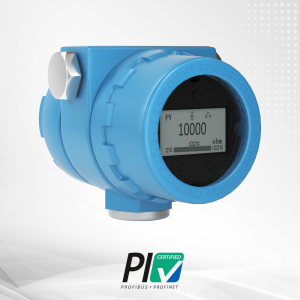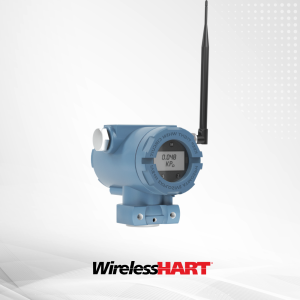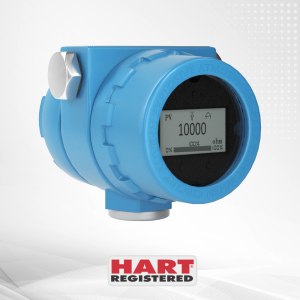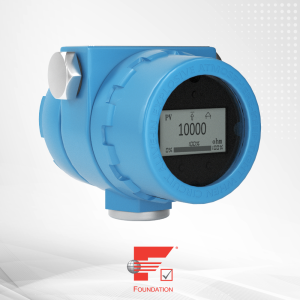
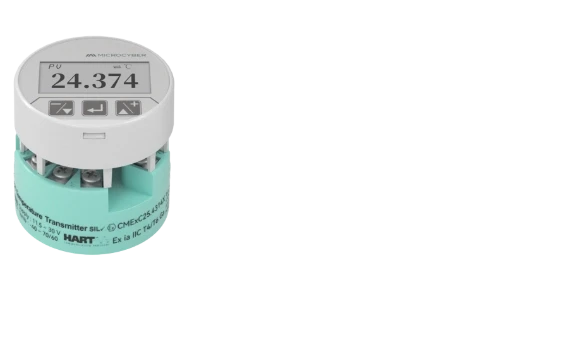
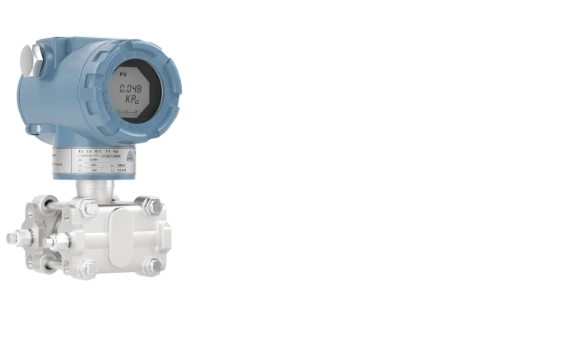
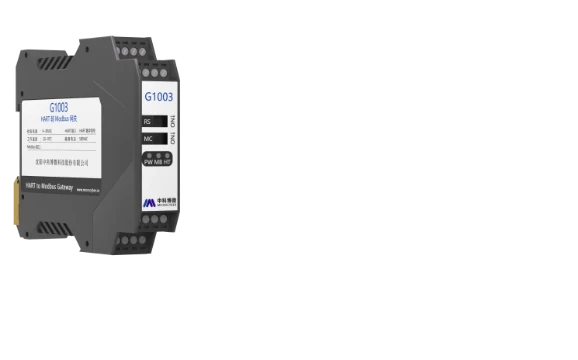
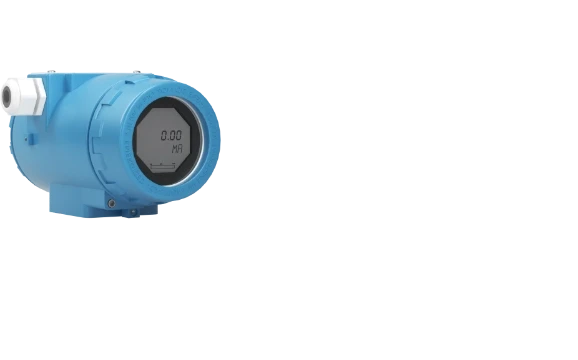


The NCS-TT105 temperature transmitter is a high-performance smart device designed for industrial automation, supporting HART 7, FOUNDATION Fieldbus H1, and PROFIBUS PA protocols. This dual-channel transmitter is engineered for precise RTD and thermocouple measurements in demanding environments, such as petroleum and chemical industries.

Key Technical Specifications
- Protocols: HART 7, FOUNDATION Fieldbus H1 (ITK 6 certified), PROFIBUS PA.
- Input Types: Supports various RTD (e.g., Pt100) and Thermocouple (Types E, K, B, etc.).
- Channels: Dual-channel capability for differential or average temperature measurement.
- Safety Ratings: Available in Ex d (Flameproof) and Ex ia (Intrinsically Safe) versions.
Advanced Measurement Features
The NCS-TT105 offers specialized measurement modes to enhance process accuracy:
- Differential Temperature: Set SENSOR_MEAS_TYPE to ‘Differential’ to output the difference between two sensors (PV = SV1 – SV2), ideal for heat exchanger monitoring.
- Precision Cold Junction Compensation: For high-accuracy thermocouple applications, a Pt100 RTD on Channel 2 can serve as the cold junction reference for Channel 1.
- Optimized Accuracy: Type E thermocouples provide the highest accuracy (±0.20°C at 25°C) for cryogenic or specialized high-output needs.
Explosion-Proof Protection: Ex d vs. Ex ia
Depending on your installation zone, the NCS-TT105 provides two primary protection methods:
- Ex d (Flameproof): Uses a reinforced enclosure (Ex db IIC T5/T6 Gb) to contain internal ignitions. Best for Zone 1 areas requiring certified cable glands.
- Ex ia (Intrinsically Safe): Limits circuit energy (Ex ia [ia Ga] IIC T4/T6 Ga) to prevent ignition entirely. Suitable for Zone 0/1 and allows for live servicing with a certified safety barrier.
Frequently Asked Questions (FAQ)
What is the difference between Ex d and Ex ia protection in the NCS-TT105?
Ex d uses a reinforced enclosure to contain internal ignition, suitable for Zone 1. Ex ia limits circuit energy to prevent ignition, making it suitable for Zone 0/1 and allowing for live servicing with a safety barrier.
Can the NCS-TT105 measure differential temperature?
Yes. In dual-channel mode, the device can output the difference between two sensors (PV = SV1 – SV2), which is commonly used for heat exchanger delta-T measurement.
What is the maximum cable length for FOUNDATION Fieldbus H1?
The maximum segment length is 1,900 meters. This can be extended up to 10 km using repeaters.
Which thermocouple type offers the best accuracy?
The Type E thermocouple provides the best accuracy at ±0.20°C (at 25°C), followed by Type K for general high-temperature use.
What is the supply voltage required for HART 7?
The HART variant requires a supply voltage of 11.5 to 45 VDC and a loop resistance of 230-550 Ω for communication.
Can I use an RTD as a cold junction reference?
Yes. A Pt100 connected to Channel 2 can be configured as the cold junction reference for a thermocouple on Channel 1 to improve accuracy beyond the internal sensor.