

A process transmitter can provide much more than a measurement value. Depending on the device, a control or monitoring system may also need its identification, status, diagnostic information and configuration parameters. HART communication makes this information accessible through a defined set of commands.
There are two common ways to obtain data from a HART device. In request-response communication, the host sends a command and waits for the device to reply. With Burst Mode, the device is configured to report selected information at regular intervals.
Both mechanisms are relevant to WirelessHART installations. Understanding how they work helps engineers choose suitable reporting settings, check device compatibility and diagnose problems when process data does not appear as expected.
How Does HART Request-Response Communication Work?
In a standard request-response exchange, a host sends a command to a HART device. The device processes the request and returns a response, provided that it supports the requested function.
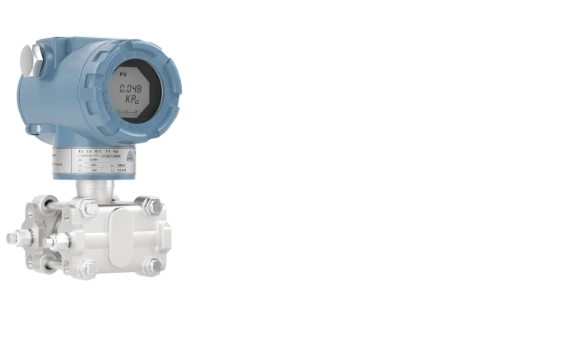
Consider a pressure transmitter whose process value needs to be read by a control system. The system sends the appropriate HART command, and the transmitter returns the requested value together with the relevant response information.
The same principle applies when reading device identification, checking status or accessing supported configuration parameters. Each command defines what the host is asking the instrument to do or report.
This approach is useful when information is needed on demand. The host can request a particular parameter or operation rather than relying on a continuously updated data stream.
What Are the Different Types of HART Commands?
HART commands are generally grouped into three categories: Universal, Common Practice and Device-Specific commands.
Universal commands provide fundamental functions that HART devices are required to support, such as reading basic device identification and accessing the primary process variable.
Common Practice commands cover additional functions implemented by many HART devices. Support depends on the instrument.
Device-Specific commands provide functions defined for a particular device or product family. These may be needed to access specialized parameters or configuration options.
This distinction matters when connecting an instrument to a control system or adapter. A command being part of the HART specification does not mean that every device supports it. The available commands depend on the device’s protocol implementation and documented capabilities.
For engineers, the practical step is to check the instrument documentation before selecting commands for data collection or configuration.
What Is HART Burst Mode?
Burst Mode allows a compatible HART device to report selected information periodically after the required settings have been configured.
Without Burst Mode, a host normally sends a request whenever it needs a new reading. With Burst Mode enabled, the device can repeatedly send the response associated with a configured command at the specified interval. The host does not need to initiate a separate request for every update.
For example, a monitoring system may need regular readings from a field transmitter. Rather than requesting the same data each time, the system can use a supported Burst configuration to receive the selected information periodically.
Burst Mode still depends on HART commands. The command determines the information being reported; the Burst settings determine how that information is published.
What Information Can Be Reported?
The available information depends on the selected command and the device’s capabilities. A Burst message may contain process variables or other supported device information, including status data.
The exact options vary by implementation. Before configuring Burst Mode, check which commands the instrument or adapter supports and what data each command returns.
How Should the Burst Interval Be Chosen?
The reporting interval determines how often the configured information is sent. A shorter interval provides more frequent updates, but it also increases communication traffic when multiple devices are reporting.
The right setting depends on the monitoring requirement and the capacity available in the wireless network. A process that needs frequent updates has different requirements from an application that checks instrument values periodically for general monitoring.
The interval should therefore be selected for the application, within the limits specified by the device and the network configuration.
Request-Response vs. Burst Mode
The two methods serve different purposes and can be used in the same instrument system.
| Point of comparison | Request-response | Burst Mode |
|---|---|---|
| How data is obtained | The host sends a request and receives a response | The device reports selected information periodically after configuration |
| Typical use | Reading a parameter or carrying out a supported operation when required | Receiving regular updates of selected device data |
| Main configuration consideration | The command must be supported by the device | The command, Burst settings and reporting interval must be supported and configured |
| What to check during troubleshooting | Command support and the request-response exchange | Burst configuration, reporting interval and communication capacity |
Burst Mode does not replace all request-response communication. A system may use periodic reporting for regular process data while still using individual commands when it needs to read other parameters or change a supported setting.
How Do HART Commands and Burst Mode Work in WirelessHART?
WirelessHART carries supported instrument information over a wireless network. When an existing wired HART instrument is connected through a WirelessHART adapter, the adapter communicates with the instrument through its HART interface and makes supported information available to the wireless network.
In this type of installation, the communication path is:
HART instrument → WirelessHART adapter → WirelessHART network → Gateway → Host system
Each part has a distinct role. HART commands define the requested information or operation. The adapter connects the wired instrument to the wireless network. The gateway provides access to the network and instrument information for connected systems.
Burst Mode can be used to report selected instrument data periodically when the relevant device and configuration support it.
One important point during commissioning is that a device appearing online does not necessarily mean that the expected process data is available. Network access, communication with the connected HART instrument and the Burst configuration all need to be checked separately.
What Should Engineers Check When Configuring Burst Mode?
When an adapter has joined the WirelessHART network but the expected measurement data is missing, start by checking the configuration rather than assuming that the wireless connection itself has failed.
First, confirm that the connected instrument supports the required HART command and that the selected command provides the information the application needs. Then check whether Burst Mode is enabled and whether the configured reporting interval is appropriate.
The wired connection also matters. Verify the HART wiring, the adapter’s power arrangement and the instrument’s power requirements. For a loop-powered adapter, the additional voltage drop and the required loop resistance must be considered.
Finally, check the reporting settings across the network. If multiple devices are sending data at short intervals, communication capacity may become a constraint. The A1110 user manual specifically identifies Burst configuration and WirelessHART network bandwidth as points to investigate when measurement data is not displayed.
These checks help distinguish an instrument communication problem from an incorrect data-reporting configuration or a network-capacity issue.

A1110 WirelessHART Adapter: Connecting Existing HART Instruments
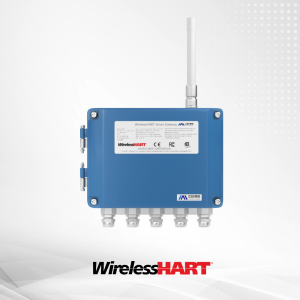
Microcyber’s A1110 WirelessHART Adapter provides a practical example of how an existing HART instrument can be connected to a WirelessHART network.
According to the A1110 User Manual, the adapter conforms to HART 7.6 and supports connected instruments using HART 5, HART 6 or HART 7. It supports 2-wire, 3-wire and 4-wire HART devices, with up to four connected HART sub-devices.
Communication with Connected Instruments
The A1110 connects to a traditional HART device through its HART port. It acts as a HART master when communicating with the connected instrument, collecting supported device information and uploading it to the WirelessHART network.
The manual also states that the A1110 can operate as a HART slave for configuration through compatible configuration software or a HART communicator.
This arrangement allows supported information from existing HART instruments to be accessed through a WirelessHART network without replacing the instruments solely to obtain wireless connectivity.
Burst Configuration on the A1110
The A1110 supports periodic data reporting through Burst Mode, and its reporting settings can be configured.
The manual describes an automatic Burst configuration function that sets Command 3 with a 32-second cycle and enables Burst Mode. However, the factory-default configuration table lists Burst Mode as closed. The actual configuration should therefore be checked on the device rather than assumed from the default settings.
The manual also specifies different Burst-cycle restrictions for loop-powered and externally powered operation. These settings should be checked against the selected power mode and the applicable instructions in the user manual.
Power Supply and Loop Requirements
The A1110 supports two power arrangements:
- 4–20 mA loop power: The adapter draws power from the loop and introduces a 2.5 V voltage drop.
- External DC power: The specified supply range is 11–30 VDC.
For loop-powered operation, the manual specifies a minimum loop resistance of 250 Ω. The available supply voltage must also leave sufficient margin for the adapter and the connected instrument.
These requirements should be checked during system design and commissioning, alongside the HART wiring, wireless network settings and Burst configuration.
A1110 Technical Specifications
| Parameter | Specification |
|---|---|
| HART protocol version | HART 7.6 |
| Supported HART device versions | HART 5, HART 6 and HART 7 |
| Supported wiring types | 2-wire, 3-wire and 4-wire |
| Maximum connected HART sub-devices | 4 |
| Wireless frequency | 2.4–2.48 GHz |
| Wireless transmission rate | 250 kbps |
| Wireless output power | 10 dBm |
| Receiver sensitivity | -90 dBm |
| Specified transmission distance | 200 m outdoors; 50 m indoors |
| Operating temperature | -40°C to +85°C |
| Enclosure protection | IP67 |
The specified transmission distances are reference figures from the product manual. Actual coverage depends on the installation and radio environment.
For an application using existing HART instruments, the A1110 provides the adapter connection to the WirelessHART network. Instrument compatibility, power and wiring requirements, network access and data-reporting settings should all be verified as part of commissioning.
Frequently Asked Questions
Is Burst Mode required for WirelessHART?
No. Burst Mode is optional. It is useful when a supported device needs to report selected information periodically. Request-response communication remains available for other supported operations.
Does Burst Mode send every instrument parameter?
No. The device reports information associated with the selected and configured command. The available data depends on the device’s capabilities and configuration.
Why can a WirelessHART adapter be online but show no process data?
The adapter may have joined the network without being configured to report the expected data. Check the connection to the HART instrument, the selected Burst command, whether Burst Mode is enabled, and the reporting interval. Network capacity should also be considered.
Can the A1110 connect multiple HART instruments?
Yes. According to the A1110 User Manual, it supports up to four HART sub-devices. The wiring, power and configuration requirements must be met for the connected instruments.
Conclusion
HART commands define how information is requested from a field instrument. Request-response communication is used when a host needs a particular reading or operation, while Burst Mode allows supported information to be reported periodically after configuration.
In a WirelessHART installation, an adapter connects a wired HART instrument to the wireless network, and the gateway provides access to the available data. The A1110 supports this arrangement for compatible HART instruments and provides configurable periodic data reporting.
When commissioning the system, check command support, Burst settings, instrument wiring, power requirements and wireless network capacity. These are the main areas to verify when configuring data reporting or investigating missing process values.